Introduction
In a globe where every 2nd matters, knowing mouth-to-mouth resuscitation can be the difference in between life and death. Cardiopulmonary Resuscitation (CPR) is not just a skill booked for doctor; it's an essential technique that everyone need to master. This post delves into the ins and outs of CPR, offering thorough understandings on its importance, methods, and newer standards. From basic skills to sophisticated resuscitation techniques, you'll learn whatever you need to find out about this lifesaving procedure.
CPR: The Lifesaving Skill Every Person Ought To Master
What is CPR?
Cardiopulmonary Resuscitation (MOUTH-TO-MOUTH RESUSCITATION) is an emergency procedure developed to recover blood flow and breathing in individuals that have actually experienced heart attack or various other respiratory failures. It combines upper body compressions with synthetic ventilation to maintain blood flow to the mind and various other essential organs.
Why is mouth-to-mouth resuscitation Important?
The value of mouth-to-mouth resuscitation can not be overemphasized. According to the American Heart Association, effective instant CPR can double or triple a target's possibility of survival after cardiac arrest. In fact, every minute that passes without mouth-to-mouth resuscitation lowers the survival price by roughly 10%.

Statistics on Cardiac Arrest
- Survival Rates: Just about 10% of individuals who experience out-of-hospital cardiac arrests survive. Bystander Intervention: When bystanders perform mouth-to-mouth resuscitation, survival rates enhance significantly.
Understanding these data highlights why grasping mouth-to-mouth resuscitation is crucial for everyone.
The Fundamentals of mouth-to-mouth resuscitation Techniques
How to Carry out CPR
When a person collapses all of a sudden, you may ask yourself how to do CPR properly. Right here's a detailed guide:
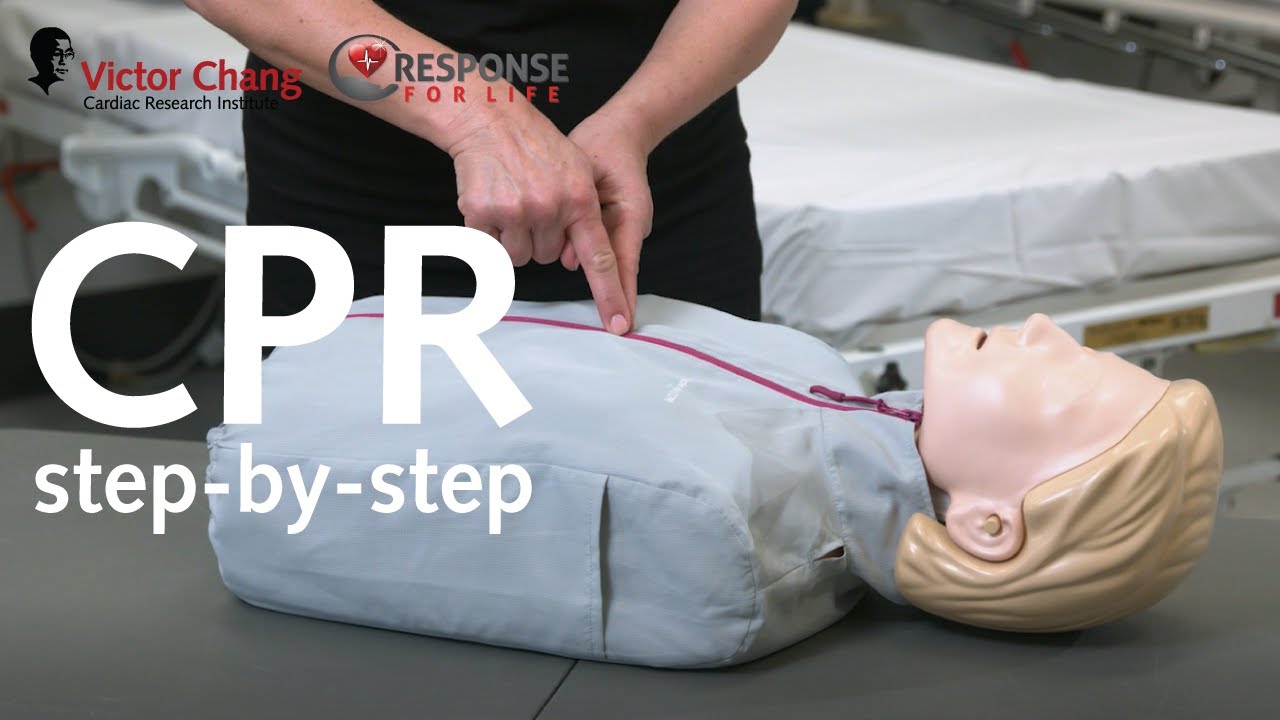
Assess the Situation: Inspect if the individual is responsive and breathing. Call for Help: Dial emergency situation services immediately. Begin Breast Compressions:- Place your hands on the center of the chest. Use your body weight to compress at least 2 inches deep at a rate of 100-120 compressions per minute.
- After every 30 compressions, provide 2 rescue breaths-- ensure that the upper body rises visibly.
Incorrect Compression Depth
One usual error in carrying out mouth-to-mouth resuscitation is not accomplishing the appropriate compression depth. Pressing too shallowly can lower blood circulation to vital organs dramatically. Always go for at the very least 2 inches deep in adults.
Advanced Strategies in CPR
Advanced Resuscitation Skills
For healthcare providers or those undergoing advanced training, recognizing advanced resuscitation abilities is essential:
- Use of AEDs: Automated External Defibrillators (AEDs) are essential devices that can recover typical heart rhythm in instances of ventricular fibrillation. Medication Administration: Understanding about providing epinephrine or various other drugs throughout advanced life assistance might additionally be required.
Infant and Kid CPR Techniques
Infant mouth-to-mouth resuscitation Technique
Performing CPR on babies needs different techniques as a result of their size and fragility:
Positioning: Lay the baby on their back on a company surface. Chest Compressions: Usage two fingers put just below the nipple line; compress concerning 1.5 inches deep at a price of 100-120 per minute. Rescue Breaths: Cover the infant's mouth and nose with your mouth and give gentle puffs till you see their breast rise.Age-specific mouth-to-mouth resuscitation Standards Australia
In Australia, details standards exist for doing age-specific CPR:
|Age|Compression Deepness|Proportion of Compressions to Breaths|| -----------|------------------|----------------------------------|| Grownups|At least 2 inches|30:2|| Kids|About 2 inches|30:2|| Infants|About 1.5 inches|30:2|
Special Situations in CPR
Sports-related Cardiac Arrest
Athletes are not unsusceptible to heart emergency situations; recognizing just how to respond during sports-related heart attack can conserve lives:
Recognize signs such as sudden collapse or loss of consciousness. Begin instant breast compressions if less competent and not breathing.Drowning Victims
Drowning targets require immediate attention as they may deal with absence of oxygen:
Remove them from water safely. Initiate rescue breaths adhered to by breast compressions if they aren't breathing normally.Using an AED with CPR Australia
Understanding how an AED functions together with CPR can dramatically increase survival opportunities:
Turn on the AED as soon as possible after calling emergency situation services. Follow visual prompts supplied by the tool while continuing with chest compressions till it advises you otherwise.Household CPR Readiness
Preparing Your Home for Emergencies
Having a plan in position for prospective emergency situations is vital:
- Keep a well-stocked first aid package accessible. Ensure all family members recognize basic emergency treatment skills consisting of just how to do family CPR readiness drills.
Workplace Emergency Plans
Implementing Effective Strategies at Work
Establishing work environment emergency situation prepares makes certain that workers are gotten ready for emergency situations:
Conduct normal training sessions focused on first aid and CPR techniques. Ensure easy accessibility to emergency treatment sets and AEDs within workplace premises.
Local CPR Classes
Finding Regional Training Opportunities
Check neighborhood community centers or health centers for readily available classes educating crucial abilities like "CPR saving lives." Online systems also use accreditation programs ranging from basic training to innovative healthcare provider certifications.
Online vs In-Person Certification
Online mouth-to-mouth resuscitation Certification Benefits
Online courses provide adaptability but ensure they fulfill recognized requirements such as those set by leading health companies:
- Assess whether online accreditation covers practical aspects properly through video demos or virtual simulations.
In-Person Accreditation Needs Australia
Many favor hands-on training when partaking in "mouth-to-mouth resuscitation accreditation needs Australia." Validate that training courses include:
- Practical assessments Written analyses upon completion
Latest Guidelines on Executing CPR
Staying updated with latest guidelines ensures that you're practicing current ideal methods:
- Regularly check out authorities sites like Australian Resuscitation Council (ARC) for updates Engage in continuous education possibilities
FAQs concerning CPR
What is included in a common online first aid course?
Most online programs cover standard first aid principles, consisting of injury treatment, injury management, and carrying out adult/child/infant CPRAED usage techniques.
How usually should I restore my CPR certificate?
Generally, your certification requires revival every 2 years; nonetheless, examine regional policies as they might differ based on certain job requirements or state laws.
Are there any type of particular regulations for workplace security concerning initial aid?
Yes! Australian workplaces must comply with Occupational Health and wellness Rules which stipulate having actually educated employees available throughout functioning hours along with enough first aid sets easily accessible onsite.
What are some common misconceptions related to doing CPRAED use?
There are mistaken beliefs around whether "mouth-to-mouth resuscitation constantly restarts heart" which isn't true; it merely acquires time till professional aid arrives.
Is there a special method when utilizing an AED on children?
Yes! Numerous gadgets come geared up with pediatric pads especially developed for more youthful patients making certain ideal power degrees are supplied securely during shocks whereas grownups use standard pads normally intended towards those over age 8 years old.

Conclusion
Mastering CPR: The First Aid Training sessions in Melbourne Lifesaving Ability Everybody Should Master isn't simply a choice-- it's a responsibility we owe ourselves and our loved ones. By furnishing on your own with this important ability-- whether through neighborhood classes or on the internet accreditations-- you stand all set to make crucial differences when confronted with emergencies involving cardiac arrest or breathing failure situations alike! Ensure you remain upgraded with standards too because lifesaving methods evolve often so every person has access essential knowledge! Bear in mind-- the much more prepared we are today indicates brighter tomorrows filled up hope!
In recap, comprehending how CPR works-- including its techniques-- is vital not just for health care experts but also daily residents alike that desire contribute positively in the direction of society safety efforts! So do not wait-- begin finding out currently due to the fact that every 2nd counts!